阅读主题:
captivity 用法解析:三个核心含义与例句 (共3个含义)
含义1:圈养 (captivity)
captivity
[kæpˈtɪvəti]
n.
The state of an animal being kept by humans in a place where it is not free to live in the wild.
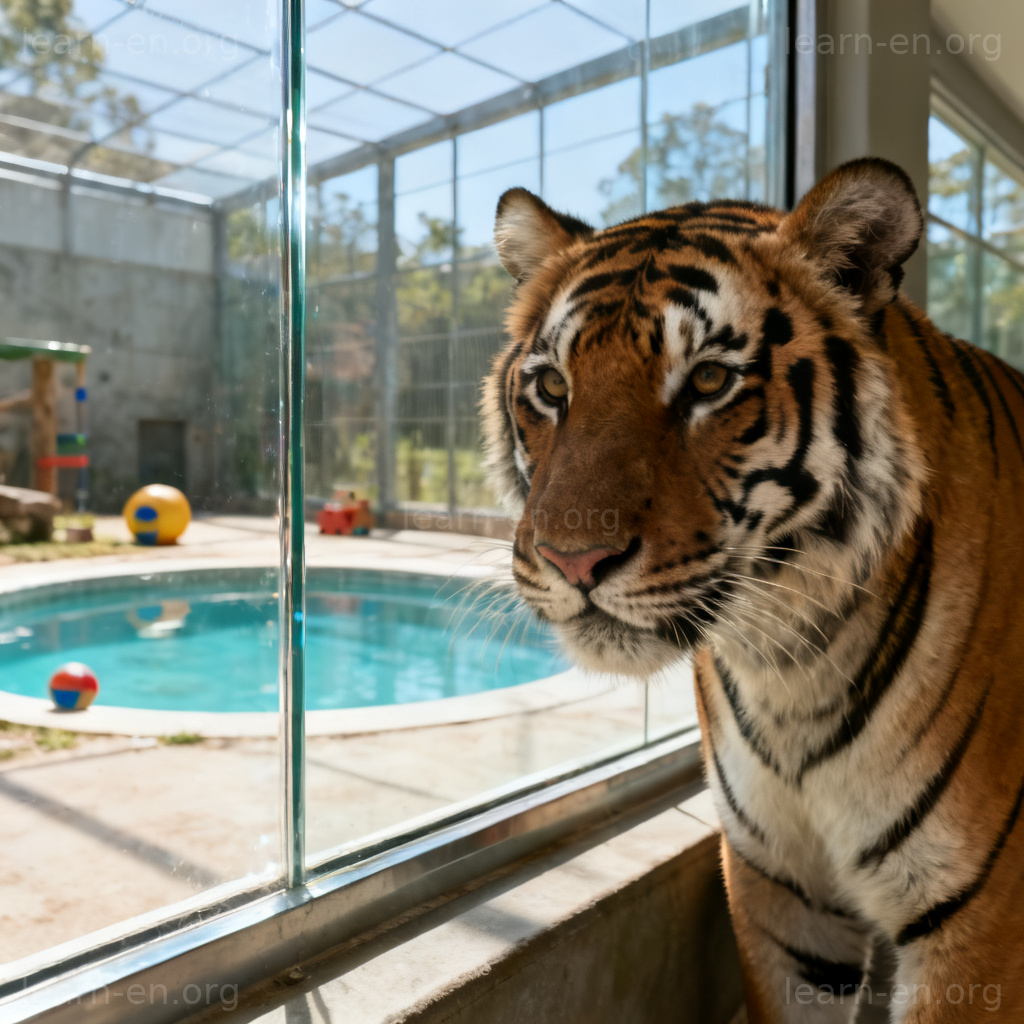
圈养
➕
quǎn yǐng
n.
指动物被人类抓住并关在一个受限的环境里,比如动物园、水族馆或养殖场,而不是生活在野外。
📘 详细信息与用法拓展
📖 词根拆解
来自拉丁语 'captivus'(俘虏)。词根 'capt-' 意为'抓住',后缀 '-ivity' 表示状态。所以字面意思是'被抓的状态'。
💡 联想技巧
谐音'抓不停'。不停被抓,失去自由的状态,就是 captivity。画面:一只动物在'captivity'(囚禁)里,总想'escape activity'(逃脱活动),但出不去。
📖 例句
The tiger, born in captivity, had never experienced the vast forests of its ancestors.
这只在圈养环境下出生的老虎,从未体验过其祖先所在的广阔森林。
🔗 固定搭配
held in captivity – 被圈养着
bred in captivity – 在圈养环境下繁殖
life in captivity – 圈养生活
🔄 同义词
confinement (n.) – 限制,关押(强调被限制在某个空间内)
captive breeding (n.) – 人工繁殖(特指在圈养环境下的繁殖行为)
🌱 派生词
captive (adj./n.) – 被俘虏的;俘虏
📖 文化故事
想象一下,很久以前,一位强大的国王战胜了邻国。他没有杀掉所有敌人,而是做了一个决定--把他们带回自己的城堡,让他们活着但无法离开。这个决定,是彰显仁慈还是另一种惩罚?它彻底改变了战败者的命运,也催生了一个描述这种状态的词。
含义2:囚禁 (captivity)
captivity
[kæpˈtɪvəti]
n.
The state of being kept as a prisoner or in a confined space, not allowed to go free.

囚禁
➕
qiú jìn
n.
指人或生物被武力或权力强行关押起来,失去人身自由的状态。
📘 详细信息与用法拓展
📖 例句
The historical novel described the king's years of captivity in a distant castle after he lost the war.
这本历史小说描述了国王在战败后,在遥远城堡里被囚禁的岁月。
🔗 固定搭配
take into captivity – 俘获,使沦为囚徒
escape from captivity – 从囚禁中逃脱
years of captivity – 多年的囚禁生活
🔄 同义词
imprisonment (n.) – 监禁(通常指依法被关在监狱里)
detention (n.) – 拘留,扣留(通常指短期的或审前的关押)
🌱 派生词
captivate (v.) – 迷住,吸引(引申义,像被抓住注意力一样)
含义3:困局 (captivity)
captivity
[kæpˈtɪvəti]
n.
A feeling of being trapped or stuck in an unpleasant situation that you cannot escape from, like a bad job.

困局
➕
kùn jú
n.
比喻一种感觉自己被限制、被困住、无法逃离某种不愉快或压抑处境的心理状态,比如一份讨厌的工作或一段糟糕的关系。
📘 详细信息与用法拓展
📖 例句
Working long hours in a tiny office cubicle gave him a strong sense of captivity.
长时间在狭小的办公室隔间里工作,让他产生了强烈的困局感。
🔗 固定搭配
a sense of captivity – 一种被困住的感觉
feelings of captivity – 囚禁感
🔄 同义词
entrapment (n.) – 陷入困境,受困(强调难以摆脱)
confinement (n.) – 限制,拘束(可用于形容身体或精神上的限制)
Wordbook
您的数据已保存在此浏览器中